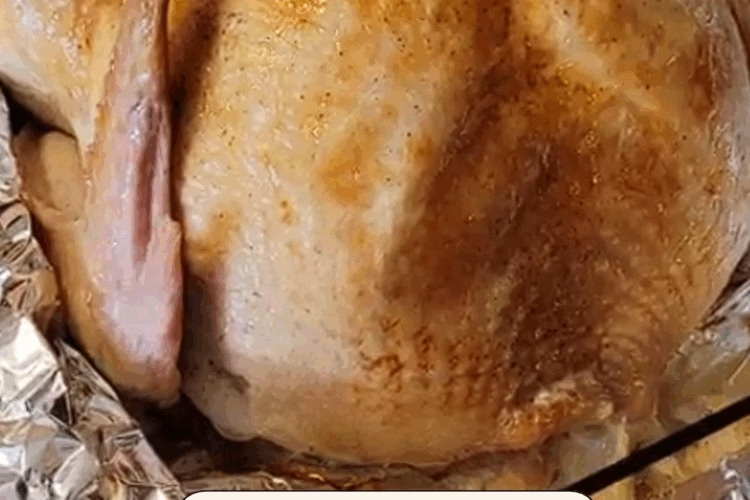
If there is one dish that symbolizes Thanksgiving, it’s turkey. Some of my fondest childhood memories are of waking up on Thanksgiving and Christmas morning to the smell of that delicious roasted aroma. Getting the turkey just right can be a challenge. Today, I’m going to cover how to cook a turkey for Thanksgiving!
How To Roast A Turkey
The first method I will cover is roasting. This is the way I grew up eating turkey, and it is generally considered the classic way to cook a turkey. You will need an oven to perform this method, or if your turkey is small enough, you might get away with an air fryer. You will also need a roasting pan. A food thermometer will also be a big help.
Prepping Roast Turkey
To prep your turkey, the first step is to thaw it out. Most turkeys purchased at the grocery store will be frozen. In general, the turkey needs to be in the refrigerator for 24 hours for every 5 pounds in order to thaw out completely. So it’s crucial to plan ahead and get the turkey out of the freezer in time.
Once the turkey is thawed, the innards must be removed. Most turkeys will come with the turkey neck and some organs inside. These can be used in other dishes or to make turkey gravy. Turkey necks are packed with flavor. Once removed, I like to give the inside a rinse to remove any ice that may be remaining.
To help keep the turkey moist, you can add butter under the skin that will melt during the cooking process. This needs to be done gently so you don’t tear the skin. Softening the butter first will also help the process. You can add herbs and seasonings of your preference to the butter to give the turkey even more flavor.
While the turkey can sit on the bottom of the roasting pan, I like to have it sit on a rack. If you don’t have one, you can use crumbled-up aluminum foil to keep the turkey raised off the bottom. The turkey will be covered in aluminum foil for the majority of the cooking time, so lay down a large piece of aluminum foil at the bottom of your pan or rack before setting the turkey down into the pan.
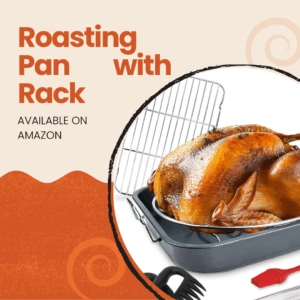
Next, carefully wrap the turkey in aluminum foil. If you don’t want foil touching the actual turkey, you can use toothpicks or skewers to “tent” the foil over the turkey.
How To Cook Roast Turkey
Turkey needs to be cooked to 165 degrees. They can be cooked anywhere between 325 and 350 degrees. I like to go with 325 as I feel the lower temperature helps keep the bird from drying out. The cooking time will vary depending on the size of the turkey. Generally, it takes about 15 minutes per pound, but this is where the thermometer comes in handy to make sure you get it just right. Make sure to preheat your oven if you want the most accurate cook times!
Approximately 30 minutes before the turkey is done, take it out of the oven and uncover it. Spread some melted butter, salt, and pepper across the skin. Place the turkey back in the oven, uncovered, and raise the temperature to 425-450 degrees. This will help give the outside of the turkey that golden brown color that it’s famous for.
Once you’ve reached an internal temperature of 165 degrees and the outside is browned to your liking, the turkey is done!
How To Smoke A Turkey
Roasting a turkey is not the only way to enjoy this Thanksgiving classic. A smoked turkey can be equally delicious. This method will require a smoker, but fortunately, there are budget-friendly options on the market. Check out my review of the Masterbuilt Digital Electric Smoker for one such option.

Prepping Smoked Turkey
The prep on a smoked turkey starts much in the same way it did with roast turkey. The bird needs to be thawed completely and the innards removed. Once these tasks are complete, the changes begin.
To ensure a juicy turkey, the bird needs to be brined. This involves soaking the turkey in a brining solution for up to 24 hours. A brining solution contains water, salt, and sugar, along with aromatics of your choice. Some popular selections include thyme, rosemary, sage, bay leaves, peppercorns, and garlic. After 24 hours, the turkey is removed from the brine and rinsed off.
If you don’t have the room or equipment for brining your turkey, you could always inject it with marinade instead. This will also help keep the meat moist, with the bonus of adding flavor. You can make your own marinade or buy one at your local supermarket.
While brining or injecting are optional, adding a rub is not. A good rub is key to most recipes in the smoker, and turkey is no different. Like the injected marinade, you can go homemade or store-bought here. A good start for a rub involves brown sugar, salt, paprika, garlic, and onion powder. Add herbs to your preference to get the signature taste you desire. Make sure every part of the bird is covered generously with the rub.
How To Smoke A Turkey
The best temperature to smoke a turkey at is between 250 and 300 degrees. Any less than that and you risk it having rubbery skin. If you go too high, you can dry the turkey out. The 250-300 range is a happy medium. At 250 degrees, you’ll need about 25-30 minutes of cooking time per pound to get the turkey to 165 degrees.
Preheat the smoker to your desired temperature. Once to temp, add the bird uncovered. Add your wood chips at this time so the meat can absorb the smoke. You want the turkey uncovered when cooking with the wood chips. You can cover the bird with foil in the later stages of the cooking process if it is getting too dark or dried out.
Once you hit an internal temperature of 165, the turkey is done! Let the bird rest before slicing to ensure the juices are reabsorbed by the meat.
How To Deep Fry A Turkey
The last method I will mention for cooking a turkey is to deep fry it. This option is popular across the South, unsurprisingly. Like smoked turkey, this option requires special equipment, namely a deep fryer big enough to fit a turkey. You can get a turkey fryer on Amazon for around $100.
The bigger drawback to deep-fried turkey is the cooking oil. Most people go with peanut oil, and it can be quite expensive, especially for cooking one dish. Three gallons of peanut oil are listed at $70 on Amazon as of this writing.
Prepping Deep-Fried Turkey
Once again, prep starts the same way as the previous methods, defrosting and cleaning the inside cavity. Like smoked turkey, you can go with a brine if you wish, but injection is more popular with fried turkey. Cajun marinades are very popular in the South, but there are other options available. You can also make your own marinade.
Fried turkey does not need a dry rub, though you can add salt and pepper. The oil will fry the skin crispy and do the work for you.
Cooking Fried Turkey
The turkey needs to be fried at 350 degrees. However, you should try to preheat your oil to 375 to start. The reason for this is that when the turkey is first submerged, it will quickly lower the temperature. Once the bird is in the oil and it gets back to 350, you can turn the burner down.
It takes approximately 3-4 minutes per pound to fry a turkey at 350 degrees. As with the other methods, don’t rely on time alone. Use a thermometer to check the internal temperature of the thickest part of the turkey. Once the thickest part has reached 165 degrees, the meat is completely cooked through.
Deep frying with this amount of oil can be dangerous. Frying always comes with risks, but deep frying a turkey is extra challenging because of its size. Be particularly careful when first lowering the turkey into the oil.
And there are three methods for how to cook your turkey on Thanksgiving! I hope you found this helpful. If you did, leave a comment below, and don’t forget to check us out on YouTube!




[…] As mentioned above, the entrée for this meal is turkey. While we also typically have a ham at Christmas, I’m going to branch that out into a separate meal plan later in this post. We usually go for a classic roast turkey, filled with stuffing and basted in herb butter. For more details on cooking turkeys, check out my post on How to Cook a Turkey for Thanksgiving. […]